

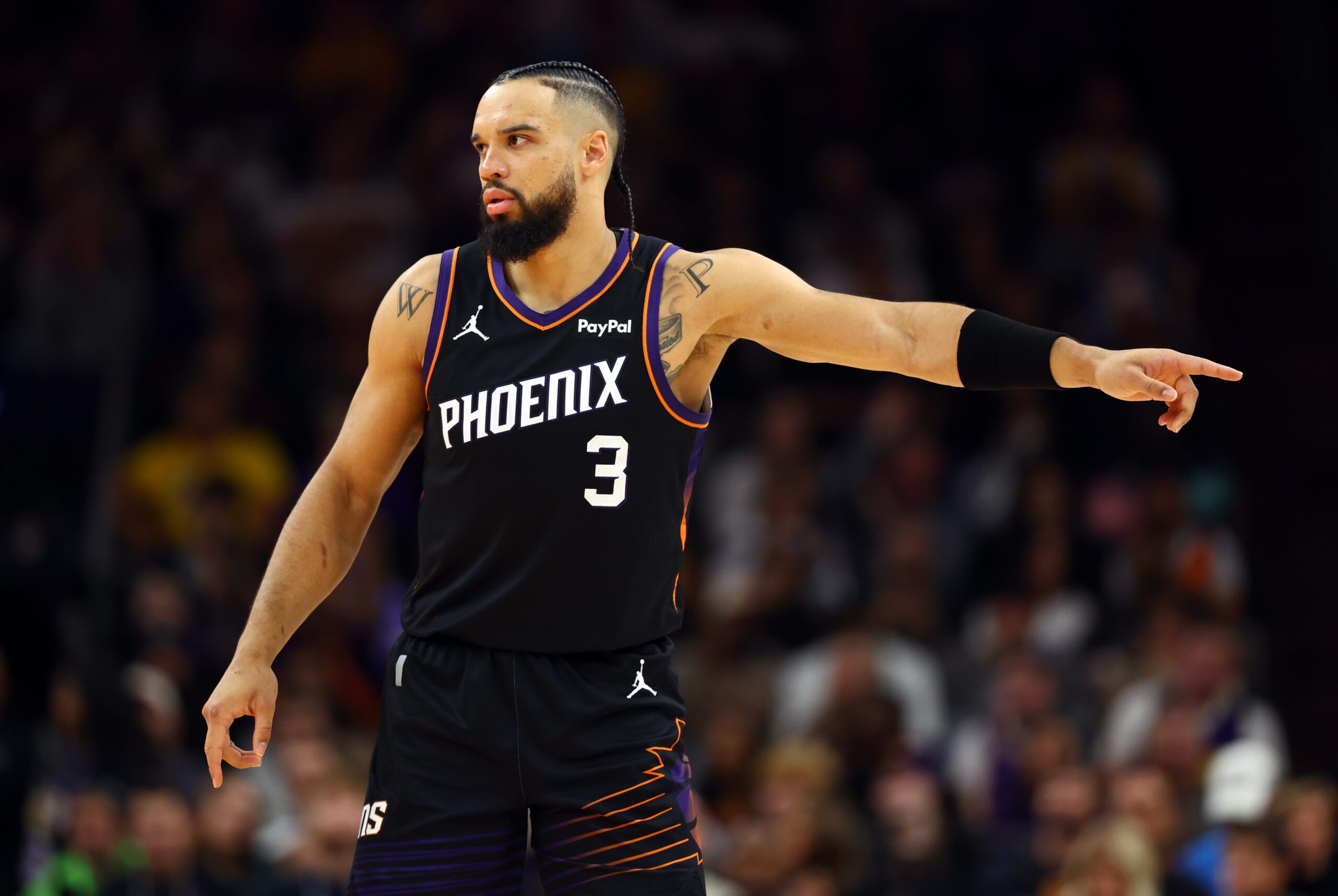
Dillon Brooks opened up on his growing list of technical fouls after the Phoenix Suns’ 112-93 win over the Washington Wizards on Jan. 12. Joining the reporters post-game in Phoenix, the star said his long-standing reputation continues to influence how referees officiate him, even in moments when he feels the call does not accurately reflect the action.
Brooks gained his fame over nearly a decade in the league. Since joining the NBA with the Grizzlies in 2017, he has built his path through physical defense, constant communication, and a confrontational style. That attitude helped him guard elite scorers and stay pertinent. It also placed him under constant scrutiny from officials, something he believes now works against him before the plays even unfold.
Dillon Brooks Illustrates How Refs’ Stance Defines His Whistle
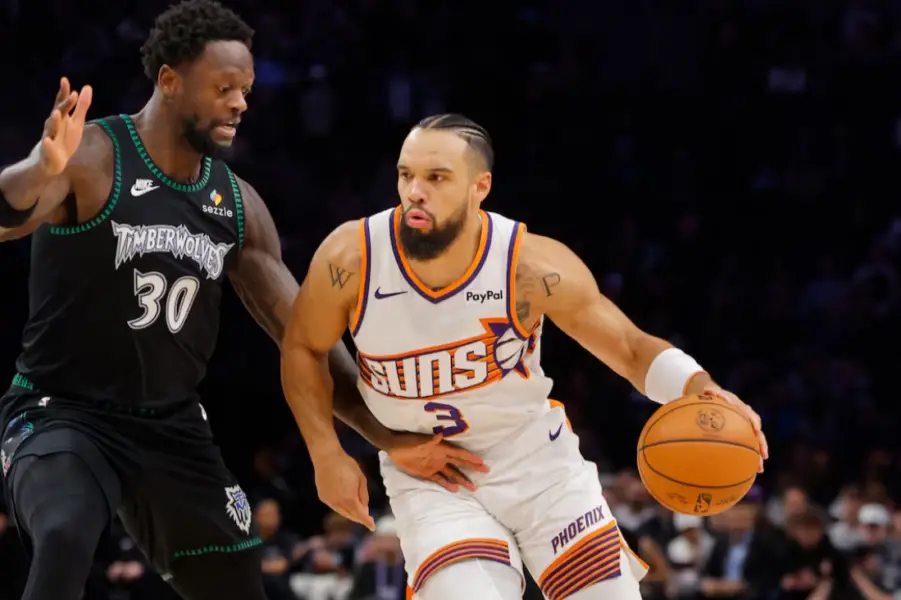
After the Wizards game on January 12, Brooks pointed to a specific exchange that resulted in a technical foul. He said the call came after minimal contact and verbal interaction, despite prior physical play going unpunished.
Per Clutch Sports X post: “They say I antagonize or taunt when I’m speaking to a person who the possession before pushed me in my chest, which I got a T for,” Brooks said while addressing the media postgame. He then acknowledged his own responsibility for the numbers. “I hate a stigma with the refs and this is why they’re so quick to T me. I have 13 T’s, which nine of them are well deserving.”
Dillon Brooks spoke on staying focused after technical fouls 🗣
“They say I antagonize or taunt when I’m speaking to a person… I hate a stigma with the refs and this is why they’re so quick to T me. I have 13 T’s, which nine of them are well deserving.”
(via @HaydenCilley) pic.twitter.com/Y5YNujDR9n
— ClutchPoints (@ClutchPoints) January 12, 2026
Brooks did not dispute his history. He made it clear that most of the technical fouls were earned through his actions. His issue lies with how quickly officials escalate situations involving him compared to other players. According to Brooks, the expectation of conflict shortens the margin for error every time he speaks or reacts.
He also revealed he deliberately restrained himself early against Washington. Brooks said he stayed quiet through the first half and avoided his usual intensity. That restraint ended once the technical foul was called. He responded by scoring 11 of his 16 points in the third quarter, helping Phoenix stretch the lead to 96-65.
He added, “I’ll still be me,” Brooks said in the same postgame session. “That’s why I’m playing the way I’m playing, at an all-time high. I was not really being myself until I got called out by name.”
The statement sums up the conflict. Brooks accepts accountability for his actions. He rejects the idea that reputation should dictate officiating. The stigma frustrates him. The edge defines him. Neither is going away.
