

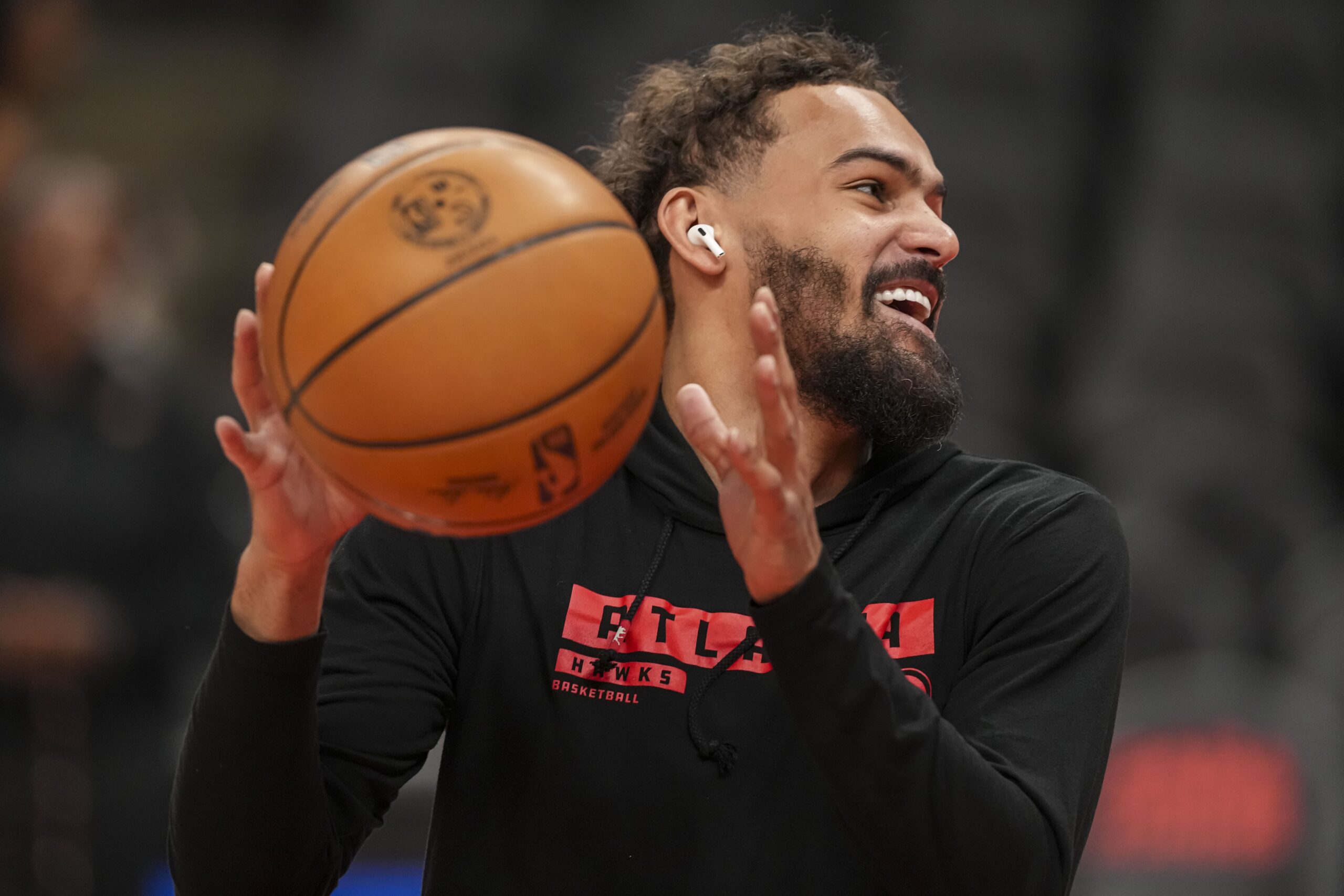
The Trae Young hate did not grow out of failure. It grew out of expectations that were never realistic for a small-market team. Drafted in 2018 and immediately tied to Luka Dončić through a draft-night trade, Young entered the league under a microscope. Every playoff loss, roster gap, and defensive issue was pinned on him, often ignoring the structural limits of Atlanta’s roster and market.
For eight seasons, Young stayed. He did not demand a trade. He did not force leverage. He played through coaching changes, roster resets, and constant narrative pressure. That context matters now more than ever after his January 2026 trade.
Why the Trae Young Narrative Never Matched Atlanta’s Reality
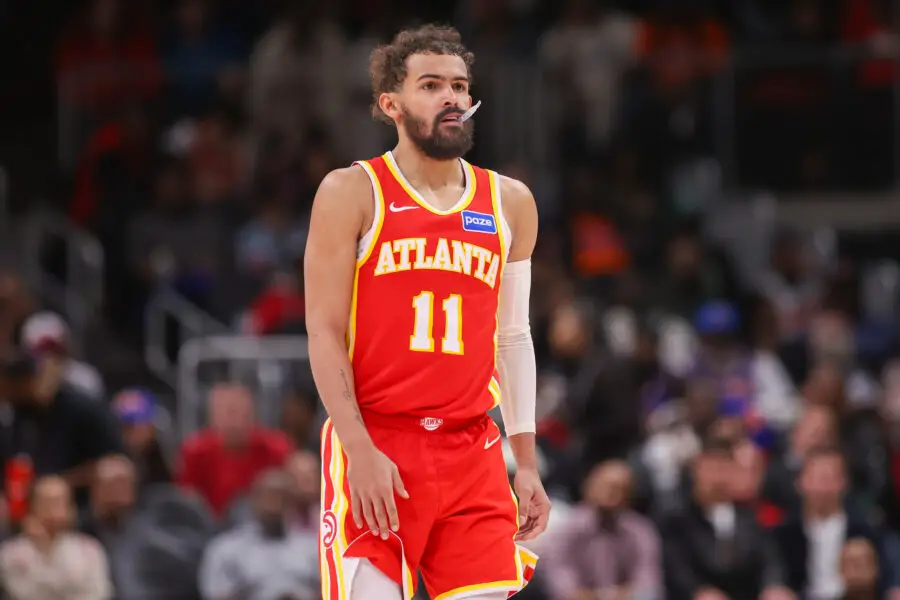
In January 2026, a viral X post pushed back against years of criticism, pointing out a gap between perception and reality. The post alluded to Young’s loyalty, his role in Atlanta’s resurgence, and the disconnect between public narratives and teammate testimony.
“The Trae Young hate needs to be STUDIED… He stayed loyal to a small market team for eight years… He took Atlanta to the Eastern Conference Finals… Every former Hawk says he’s one of the best teammates they’ve ever had.”
The Trae Young hate needs to be STUDIED.
Trae Young never gave up on Atlanta. For 8 years he stayed loyal to a small market team, even when the help wasn’t always there. He put this city back on the map, took us to the Eastern Conference Finals, and gave Hawks fans something to… pic.twitter.com/1PfQPWemgK
— NSC Hawks (@NSCHawks) January 9, 2026
Those claims align with the record. Young led Atlanta to the 2021 Eastern Conference Finals, defeating New York and Philadelphia along the way. That run remains the franchise’s deepest playoff push since 2015. He averaged 28.8 points and 9.5 assists during that postseason, according to NBA.com data from May 2021.
The criticism that followed focused less on results and more on style. Young’s defense was a recurring talking point. His shot selection drew scrutiny. Lineup data from the 2025-26 season showed Atlanta going 13-11 without him and 2-8 with him, numbers widely circulated by national media in January 2026. Those splits fueled claims that the team functioned better without him.
What those discussions often ignored was the role and roster context. Atlanta’s offense relied on Young’s usage to generate advantages. When he sat, responsibilities shifted, pace slowed, and defensive matchups changed. The numbers reflected adjustment, not indictment.
Claims that teammates disliked playing with Trae Young also lacked consistent sourcing. While NBA insider Ryen Russillo cited an anonymous executive on his podcast in January 2026, questioning Young’s on-court impact, public statements from Hawks players repeatedly told a different story. Multiple former teammates described Young as communicative, prepared, and engaged in the locker room, according to local reporting from the Atlanta Journal-Constitution across several seasons.
Off the court, Young remained active in Atlanta’s community. He supported youth programs, charity initiatives, and fan engagement events throughout his tenure, actions that were regularly covered by the team and local media, although rarely amplified nationally.
The most revealing moment came after the trade. According to reporting in January 2026, Young remained on the Hawks’ bench during games following the deal, offering advice and support to players with whom he no longer shared a contract. That decision carried no obligation. It carried intent.
Trae Young returned from his knee sprain on Dec. 18 and played five games (in which Atlanta went 0-5), and last played Dec. 27 before suffering a right quadriceps contusion. The sprain, however, is not yet fully healed, and Washington will give Young as much time as he needs to recover completely. He has a $49 million player option for the 2026-27 season.
